


Lebanon's economic crisis deepens
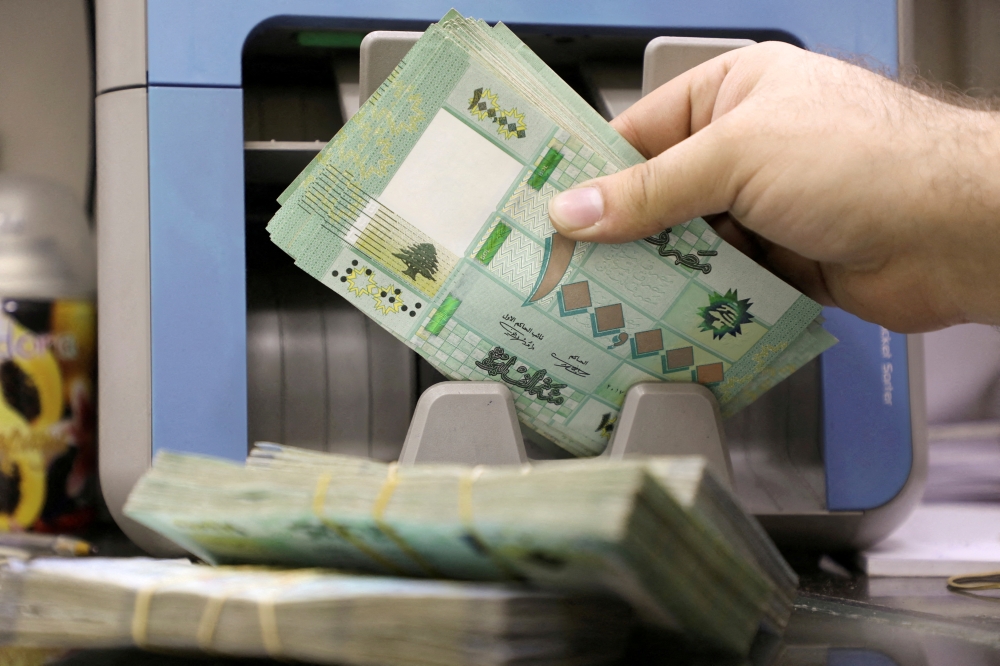
On Tuesday, the World Bank published a new report, which indicated that Lebanese policies have led the state to collapse and long-term economic decline. The report was released the day after Beirut resumed negotiations with the International Monetary Fund.
Bank monitoring showed that the value of the country's gross domestic product fell from $52 billion in 2019 to $21.8 billion in 2021, showing a reduction of more than 58%.
Since the beginning of 2019, the Lebanese pound has lost more than 90% of its value, and the existence of several exchange rates only confirms the severity of the crisis. The country's banks have introduced informal capital controls, depriving people of access to their savings. At the same time, according to the World Bank reports, at the end of 2021, growing inflation in Lebanon averaged 145%. At the same time, the debt of the state has already amounted to 183% of GDP.
World Bank Regional Director Saroj Kumar Jha noted that the deliberate denial of obvious problems by the state authorities during an economic depression creates additional difficulties for the economy and society. He added that the Lebanese government urgently needs to create and adopt a macro-financial stabilization and recovery plan.
Otherwise, the country will reach an extreme level of poverty, and the consequences of this will affect other states in the region that have trade or economic contacts with Lebanon.